You found three editors on Upwork. Their reels look fine. You have an hour to interview them and no idea what to ask.
This is the hire-side version: 25 interview questions for YouTube video editors, grouped into five stages. Each question includes why it matters, what to listen for, and when to walk away. Use the first stage for screening, the next four for the main interview, then compare two or three finalists with the same paid test edit.
_2.png)
Want an editor who actually sticks around?
We place dedicated YouTube video editors from the Philippines and South Africa, matched to your channel. Flat monthly, long-term, no rotating freelancers.
How to use this list
Put the screening questions in the job post or use them during a short first call. Ask stages two through five in the main interview. Then give two or three finalists the same raw clip for a paid test edit. Tell candidates about the test in advance.
Stage 1: Screening questions
These five questions show whether the candidate has researched your channel, understands the role, and has capacity.
1. What is the biggest retention mistake you see YouTube creators make in their first 60 seconds?
Why it matters: Alex Berman recommends this question as a job-post filter in his guide to hiring a video editor for YouTube.
Listen for: A specific failure pattern such as a generic introduction, an overlong logo sting, or a value promise buried too late.
Walk away if: They discuss transitions or music but cannot connect editing choices to viewer behavior.
2. Why do you want to work on my channel specifically?
Why it matters: You want proof the candidate watched your content.
Listen for: A reference to a specific video, topic, format, or audience.
Walk away if: The answer could apply to any channel and they cannot name a video they watched.
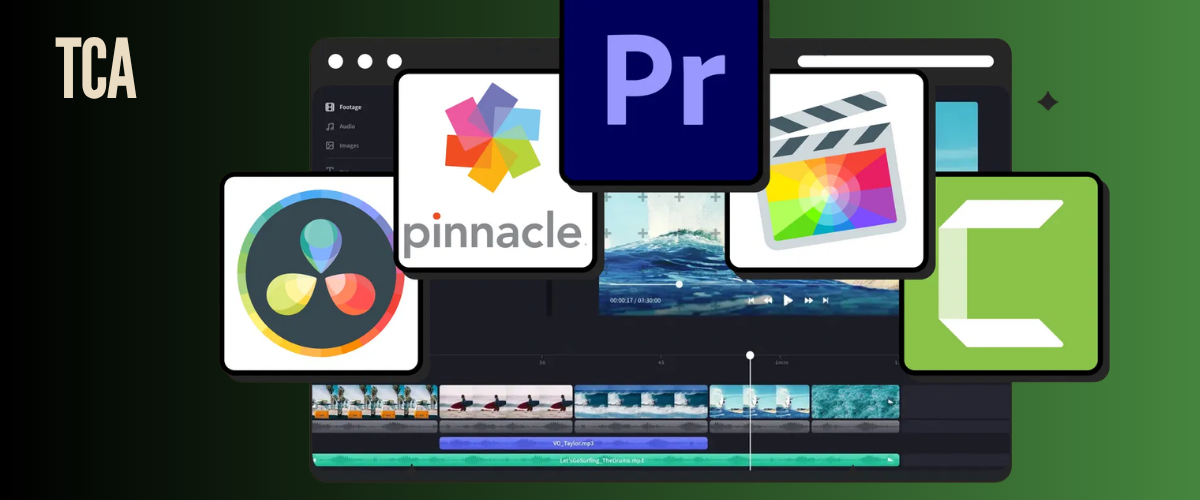
3. What is your primary editing software, and what would you switch to if I asked?
Why it matters: Your editor's software affects project handoffs.
Listen for: Premiere Pro, DaVinci Resolve, or Final Cut Pro, plus a practical reason for the choice. DaVinci Resolve has a free version, while some AI features in its Neural Engine require Resolve Studio.
Walk away if: They refuse to consider your team's workflow.
4. What hours do you actually work, and how much overlap do we have in my time zone?
Why it matters: Vague availability creates avoidable delays.
Listen for: Specific working hours in both time zones.
Walk away if: They promise to be available whenever needed but cannot give a normal working schedule.
5. How many hours per week can you actually deliver for me, and is that exclusive?
Why it matters: Capacity determines whether the editor can support your upload schedule.
Listen for: A clear capacity estimate tied to your expected output.
Walk away if: They say “as much as you need” without asking about footage volume, revisions, or deliverables.
Stage 2: Portfolio and creative judgment
These questions test whether the candidate can apply their reel to your actual footage.
6. How would you have cut my last video differently?
Why it matters: The candidate should have watched your channel before the call.
Listen for: A named video and a concrete opening change.
Walk away if: They give generic advice such as “make it tighter”.
7. How do you decide where to layer B-roll versus letting the talking head breathe?
Why it matters: B-roll can clarify an idea or distract from it.
Listen for: B-roll tied to a concept, story beat, or visual example.
Walk away if: They add B-roll on a fixed timer.
8. Which AI tools do you use, and which ones do you refuse to use?
Why it matters: AI can remove repetitive work, but the editor still needs to protect voice, pacing, and originality.
Listen for: Selective use of tools such as Gling for silences and bad takes, OpusClip or Vizard for repurposing.
Walk away if: They either refuse every useful automation tool or claim AI can handle most of the creative edit.
9. What types of editing projects do you not enjoy, and what would make you leave a creator?
Why it matters: Honest limits are easier to manage than quiet dissatisfaction.
Listen for: One or two project types they avoid, plus realistic churn triggers.
Walk away if: They claim to enjoy every kind of work.
Stage 3: Process
These questions show whether the candidate has a repeatable system from raw footage to final export.
_1.png)
10. Walk me through your editing process from raw footage to final export.
Why it matters: A defined process gives you predictable checkpoints.
Listen for: Ingest and organization, assembly, rough-cut review, revisions, and final export.
Walk away if: They describe one large handoff with no review points.
11. What turnaround should I expect, and what changes it?
Why it matters: A promise without scope is not a schedule.
Listen for: A range tied to video length, raw footage volume, and revision rounds.
Walk away if: They promise the same turnaround regardless of scope.
12. How many revision rounds are included, and how do you handle scope changes?
Why it matters: Written revision terms keep a fixed project from sprawling.
Listen for: A defined number of rounds, batched timestamped notes, and a clear distinction between correcting the brief and changing the brief.
Walk away if: “Unlimited revisions” has no process, limit, or definition of a round.
13. How do you want me to deliver raw footage, brand assets, and references?
Why it matters: A clean handoff reduces confusion before editing begins.
Listen for: A folder structure, file naming, and a request for references or a style guide.
Walk away if: They say to send files “however” and ask nothing about assets or references.
14. How do you want to receive feedback, and which tool do you use for timestamped review?
Why it matters: Timestamped notes make creative disagreements concrete and easier to resolve.
Listen for: Frame.io or another timestamped review tool, plus a process for batching notes.
Walk away if: Their only feedback method is a long email.
15. What project-management tool do you use, and how do you keep me updated?
Why it matters: You should not have to chase every status update.
Listen for: A tool such as Notion, ClickUp, Trello, or Asana.
Walk away if: They keep everything in their head.
Stage 4: YouTube-specific questions
These questions test whether the candidate edits for viewers.
16. How would you build the first 30 seconds of one of my videos?
Why it matters: The opening establishes whether the viewer understands the video's value.
Listen for: A hook connected to your topic. Retention Rabbit's 2025 vendor analysis reported 18% higher retention at the one-minute mark for videos with a clear value proposition in the first 15 seconds, within its own sample.
Walk away if: They describe visual effects but cannot explain the opening's information or story structure.
17. How do you keep viewers watching through the middle of a long-form video?
Why it matters: Some editors focus on the opening and leave the middle without structure.
Listen for: Open loops, callbacks, changing pace, and cuts that serve the story rather than a fixed timer.
Walk away if: They say only “keep it interesting”.
18. How do you coordinate the edit with the thumbnail and title?
Why it matters: The title and thumbnail make a promise the opening keeps.
Listen for: A request to see the title and thumbnail before the final cut and a plan to pay off the promise early.
Walk away if: They treat thumbnails and titles as unrelated to editing.
19. How would you cut my long-form videos into Shorts?
Why it matters: A Short needs a standalone idea, not a random excerpt.
Listen for: Clips with a clear payoff, a strong opening, and a plan for deciding how many cutdowns each long-form video warrants.
Walk away if: They use an automatic clipping tool without explaining how they choose the clips.
Stage 5: Working together
These questions test reliability, trust, communication, and whether the relationship can work beyond the first project.
20. What happens to my upload schedule if you get sick or take time off?
Why it matters: Emergencies happen. The issue is whether the workflow can absorb them.
Listen for: Notice expectations, a documented style guide, and a practical communication plan.
Walk away if: They claim they never get sick.
21. What is your typical response time during my working hours?
Why it matters: Agree on response times before the first deadline.
Listen for: A specific normal response time and a method for notifying you when they are unavailable.
Walk away if: They promise constant availability but cannot define it.
22. How do you handle vague feedback such as “the pacing feels off”?
Why it matters: A mature editor clarifies instead of guessing defensively.
Listen for: A short clarifying question, timestamped examples, or two concrete options such as slowing the middle or changing the music.
Walk away if: They rebuild the entire edit without asking what you mean.
23. How do you protect my raw footage and intellectual property, and would you sign an NDA?
Why it matters: Your footage, project files, and channel materials need controlled access.
Listen for: Agreement to reasonable confidentiality terms, limited share access, and disclosure of any subcontracting.
Walk away if: They are vague about who handles your files.
_4-youtube-channel.png)
24. When would you expect access to my YouTube channel, and what kind?
Why it matters: Access should expand with trust.
Listen for: Start without channel access, then use YouTube's role-based permissions when uploads require it. The official YouTube channel-permissions guidance distinguishes Editor (limited), Editor, and Manager roles. Editor (limited) can support publishing without access to revenue data. Manager can view all channel data and manage permissions, so it should not be the default editor role.
Walk away if: They request your login immediately or do not understand permission-based access.
25. Where do you want to be in two years, and how could this role help?
Why it matters: The answer shows whether the opportunity fits the candidate's direction.
Listen for: A specific path such as lead editor, production lead, or ownership of a Shorts workflow.
Walk away if: Their goals conflict with the role.
How to score the interviews
Use a simple strong, mixed, or weak score for each stage. Treat any “walk away if” answer as a stop until you investigate it.
Compare finalists on the same paid test edit, using the same raw footage and brief. Score the choices they make, whether they follow instructions, how they communicate, and how they handle one revision. For the broader hiring process, use our guide to red flags when hiring a YouTube video editor and the YouTube editor onboarding guide.

FAQ
How long should a video editor interview take?
Use a short screening call for stage one. The main interview can cover stages two through five. Leave time for the candidate's questions.
Should I pay for a sample edit?
Yes. A small paid test lets you compare candidates using the same footage. See the guide to YouTube video editor costs.
Should I hire a freelancer, agency, or placement service?
The right model depends on how much management, continuity, and hiring work you want to carry. Compare the options in this guide to freelance, agency, and placement video editors.
TCA places long-term talent from the Philippines and South Africa at a flat $1,800 to $3,000 per month, all-inclusive. Placement takes 14 days or less from the first call to the placed person's first day. Get started.